






If you’re familiar with archival research you’ve heard the term “finding aid.” An archival finding aid describes the content of a collection, providing you enough information about that collection so that you can decide if it is something you need to explore for you research.
There are other kinds of “finding aids” as well. On the Internet, there are several types of finding aids that help us locate what we need. For example, portal websites like Cyndi's List and Linkpendium provide website links categorized according to subject or topic which can help us find resources quickly. Numerous genealogical finding aids exist that can help us find a record or a resource which is helpful especially in cases where the record set is available in multiple places.
Knowing about what finding aids exist can help you more easily find what you need and know what is available for researching your genealogy. Here are three of my favorite finding aids newspapers, records, and journal articles.
The Ancestor Hunt
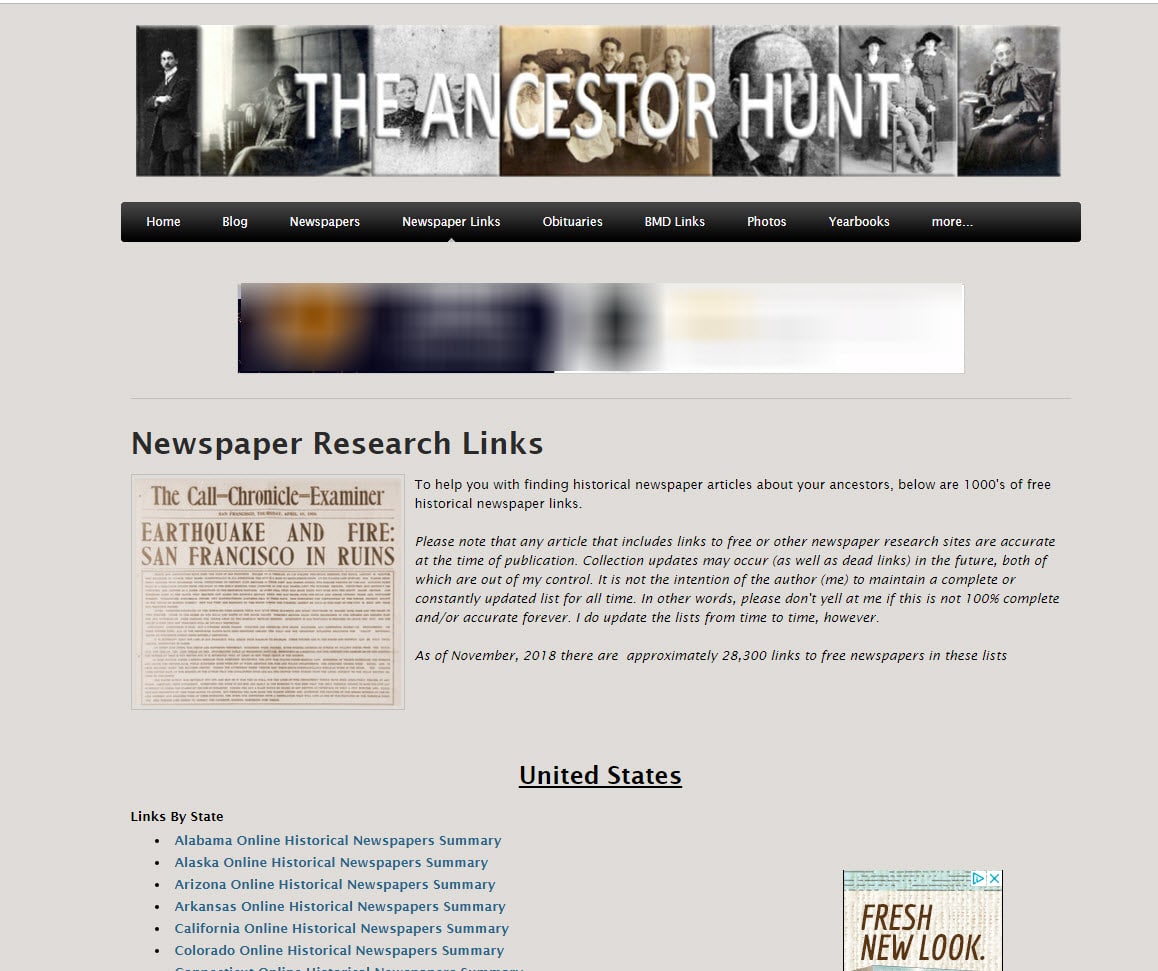
Need to find a newspaper? The Ancestor Hunt is a great finding aid for newspapers from Canada and the United States (there are also links to free Australian and other international newspaper websites). Newspapers are a must for your research but the problem is they can’t all be found in one place. The Ancestor Hunt is a finding aid complete with links categorized according to place and website (covering both free and fee based websites). At the time of this writing, there were over 23,000 links to free newspapers online. This volunteer work by Kenneth R Marks also includes how-to tutorials and other genealogical resources.
FamilySearch Research Wiki
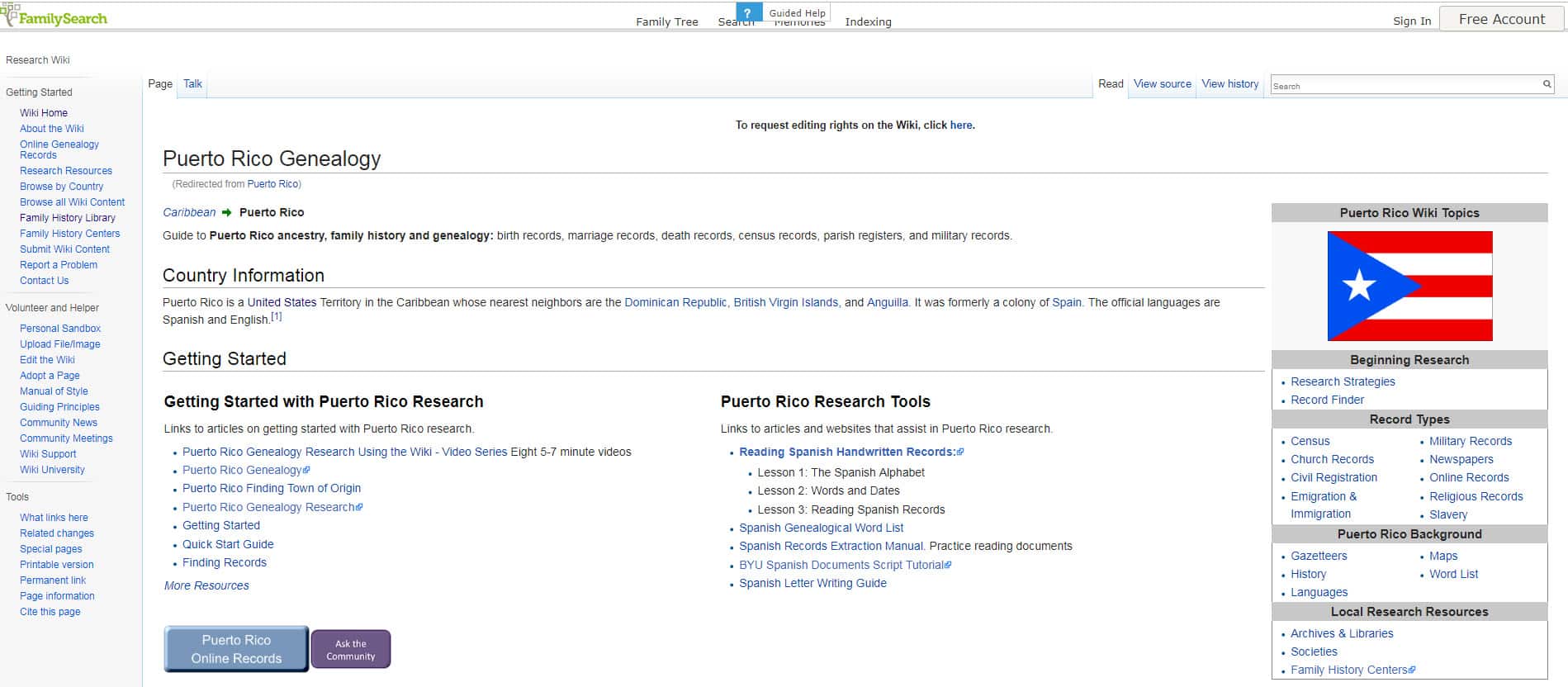
Go to FamilySearch’s Research Wiki and type in the name of the location you are researching (state, county). Chances are you’ll be taken to that place’s “genealogy” wiki page. From that page, on the right-hand side you will see a clickable list of Record Types. Click on these to learn more about the record type and where to find those records (available both on FamilySearch and on other websites). While some wiki pages have more information than others (remember it’s a volunteer effort), start with the wiki to fully understand what records exist and where they can be found.
Google Scholar
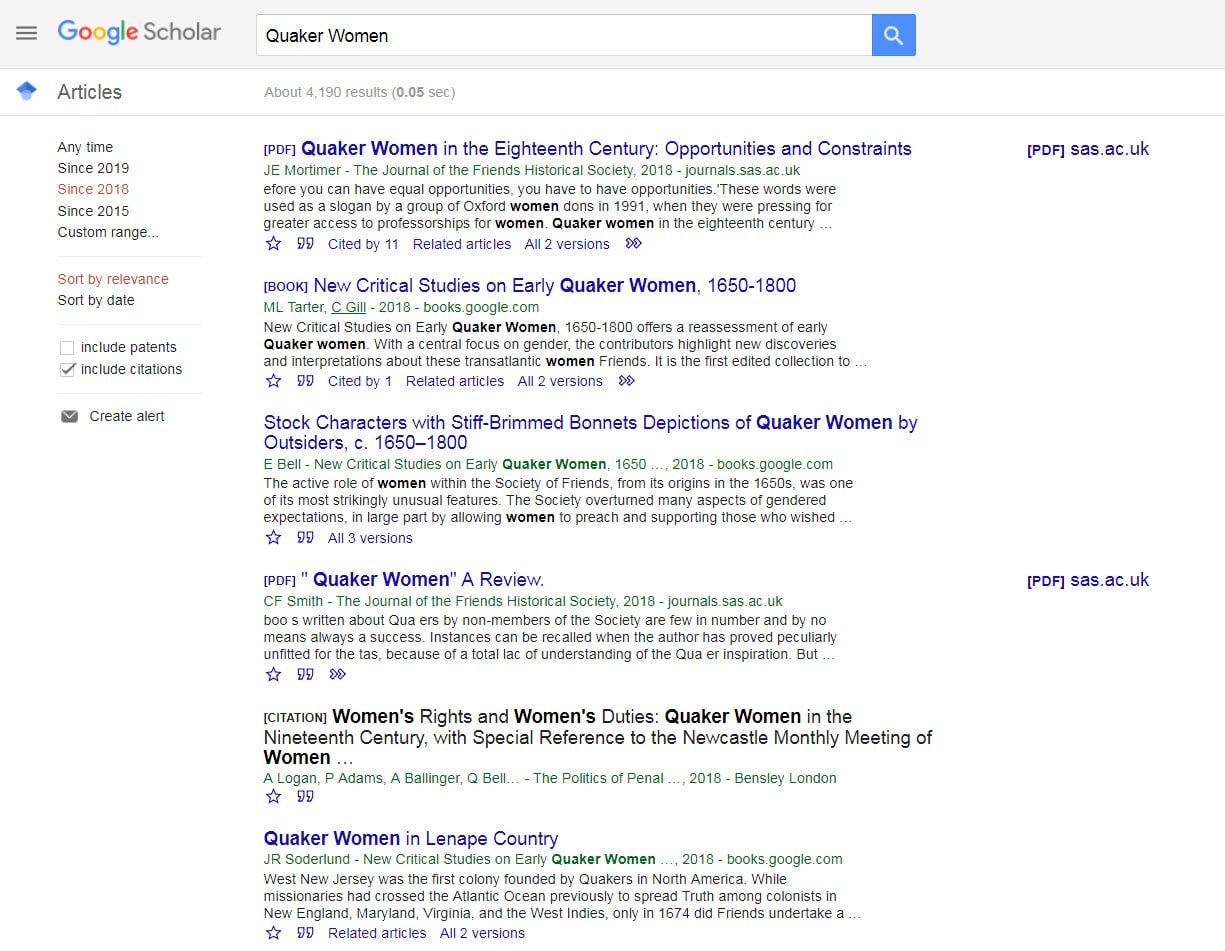
Google Scholar is not by definition a genealogy finding aid but it’s a good place to find journal articles rich in historical detail that will help you learn more about your ancestor's life. These topics might provide history or details the place your ancestor was from, their occupation, or the membership group they belonged to.
Your keyword search on Google Scholar will provide you a list of results for articles that are freely available online or as a digital book available on Google Books. In some cases, you will need to find a copy of the article or book through Interlibrary Loan, a library, or by purchasing that specific article from the publisher or JSTOR. This is a resource you use to learn more about your ancestor’s life since it’s probably unlikely that they will be mentioned by name, unless they were famous, infamous, or you’re just lucky. Use Google Scholar to add that “flesh” to their story.
Google Scholar can also search Google Patents and case law.
What Are Your Favorites?
So that’s just three finding aids I think you’ll find valuable. What are some of your favorites? How do you use finding aids to enhance your genealogy research?
Gena Philibert-Ortega is an author, instructor, and researcher. She blogs at Gena's Genealogy and Food.Family.Ephemera. You can find her presentations on the Legacy Family Tree Webinars website.


Thank you Gena! What a nice surprise. (BTW – it’s over 30,000 newspaper titles now). 🙂