







When I was growing up, I worked at my local city library. I was a Reference Page which meant that I worked in the basement and retrieved magazines for patrons doing research, amongst other things. The magazines in our holdings ranged from the newer popular magazines to bound volumes dating back 100 years. The library’s basement also housed some of their archival collections. That archive included all kinds of items from documents to material items like textiles. It was a wonderful place to work for someone who loved to read and had lots of questions about history.
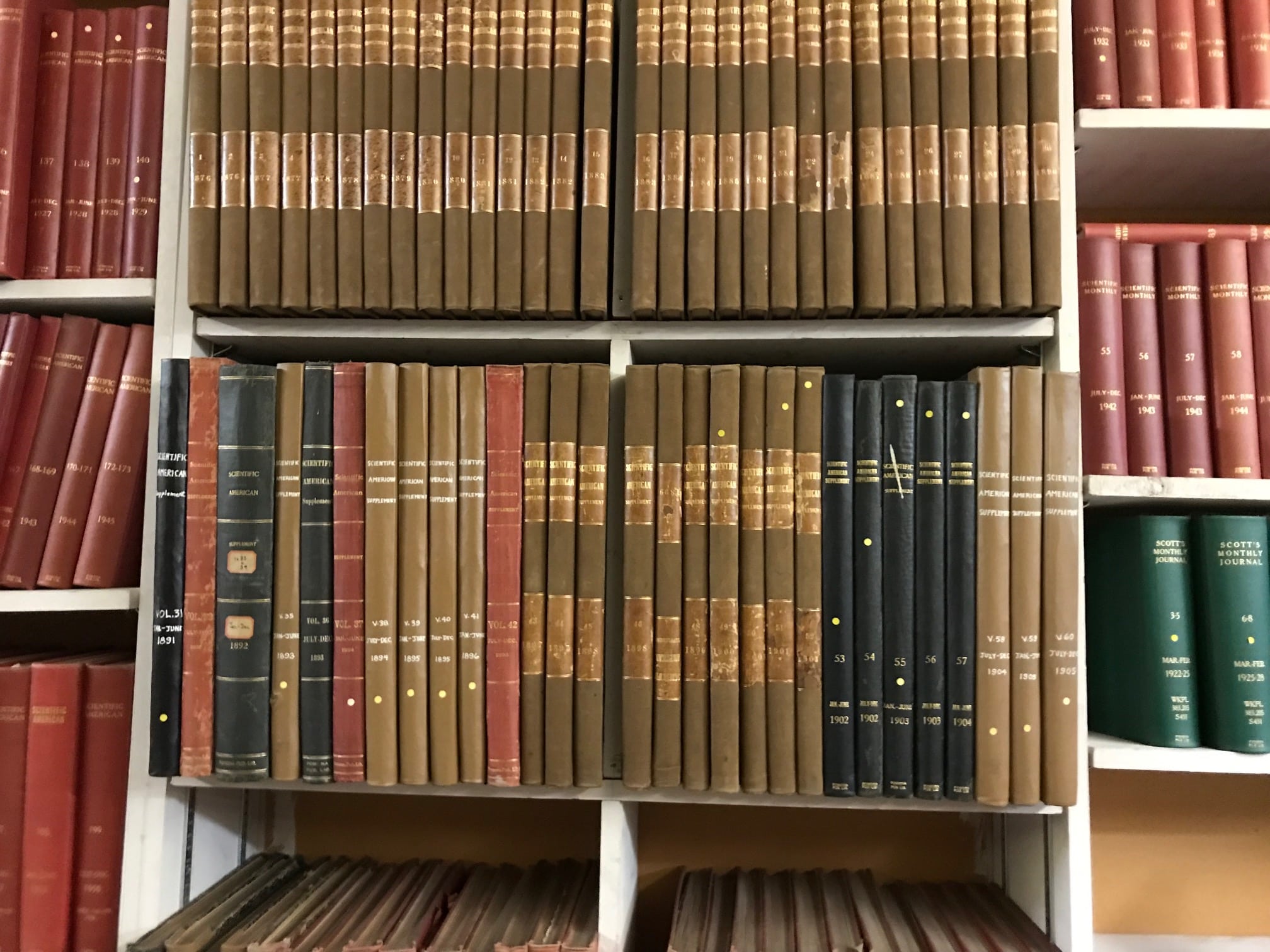
Because of my early job experience, I know that libraries, archives, and museums often have great collections kept out of the public’s view. It’s not that they are trying to hide them, it’s just that they don’t have the storage space in the public places to store everything. And quite frankly some of the items, while important, are not “popular” and rarely requested. Because of this, sometimes the public or interested researchers don’t know everything a repository has. I was reminded of this recently after I presented to the Pomona Valley Genealogical Society which meets at the Pomona (California) Public Library.
The Pomona Public Library has been around since the 1880s but their current building dates to 1965. The Library is old enough to have a basement and their basement includes bound periodicals, like the ones I retrieved as a teenager, and their special collections as well as the collections of the nearby genealogical and historical societies.
When the president of the society asked if I wanted to see their collection, I had to say yes. Afterall I absolutely love library basements. They had stacks of everything from genealogical periodicals to family group sheets donated by members over the society's 50 year history.
Because I’m always anxious to pass on information about great collections, I asked, “how do people know what you have?” Like most collections the answer is not simple. Most people don’t know this collection exists. Most societies don’t have the volunteers or time to make information about their vast collections available. Just like libraries and archives, there is simply not enough time, money or people to make collections easily available to everyone. While The Pomona Valley Genealogical Society has an ongoing indexing project that is available in printed form from the reference librarian, there’s no digitized version of what they own.
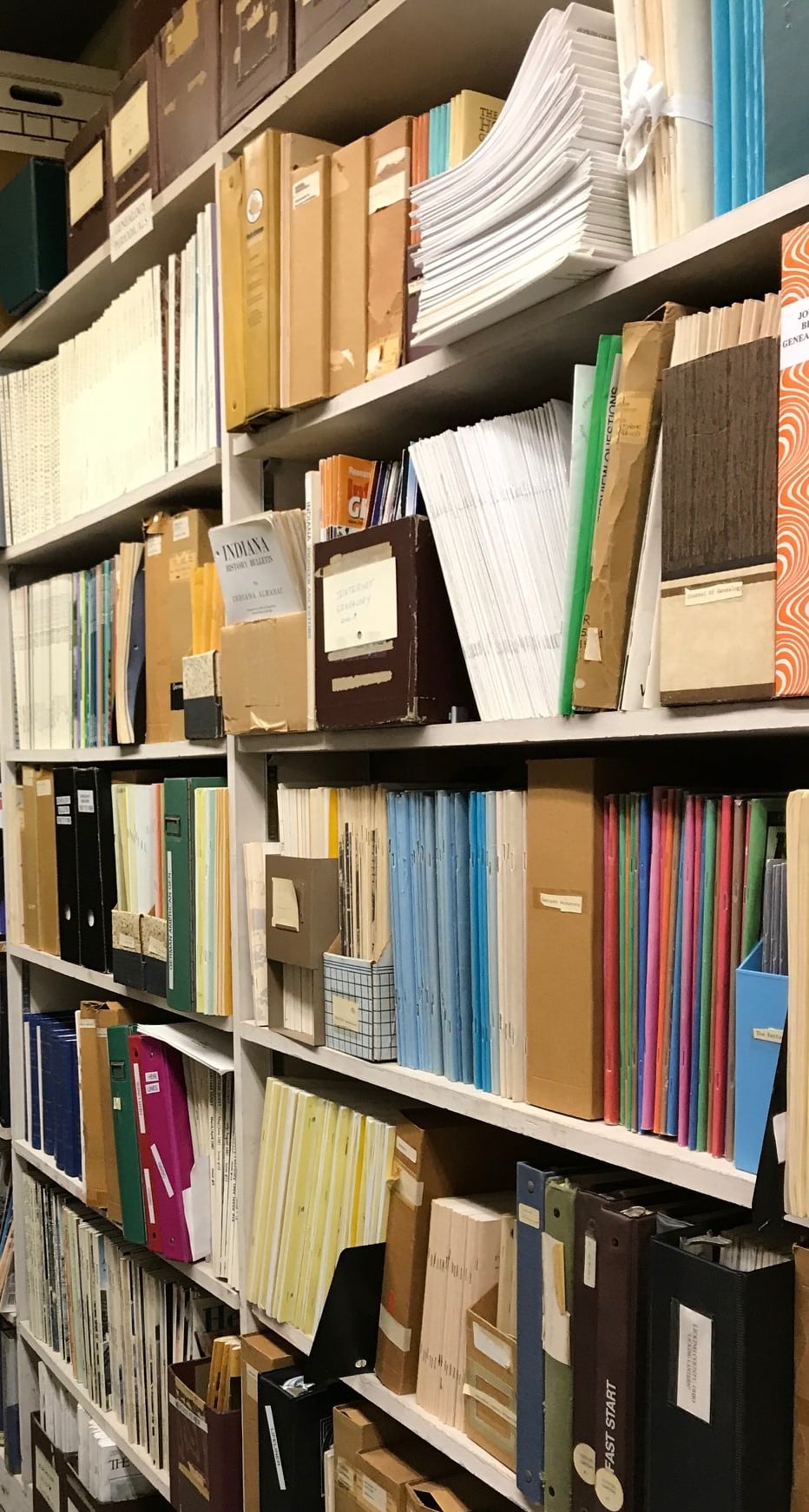
It’s important to remember that not only is not everything online but online catalogs don’t tell the entire story. It’s by making contact with societies and repositories in the places where your ancestor lived that you can learn more about what is available. If you have not done this, most likely you have not done a thoroughly exhaustive search of what is available for your ancestor because there are clues in the basement.
Take some time to locate the repositories and societies in the place your ancestor lived. Search their online catalog, digital collections, and finding aids but then contact them and ask about what other collections they house that might be helpful to your research.
Gena Philibert-Ortega is an author, instructor, and researcher. She blogs at Gena's Genealogy and Food.Family.Ephemera. You can find her presentations on the Legacy Family Tree Webinars website.


Comments (0)